There is no transition program in the world that will prepare you for what happens the morning after your retirement ceremony.
The ceremony ends. The flags are folded. The speeches are made. The aide who has been managing your calendar, your travel, and your correspondence for the last two years shakes your hand and walks away. And for the first time in thirty years, you wake up the next morning with no mission, no formation, and no one calling you sir.
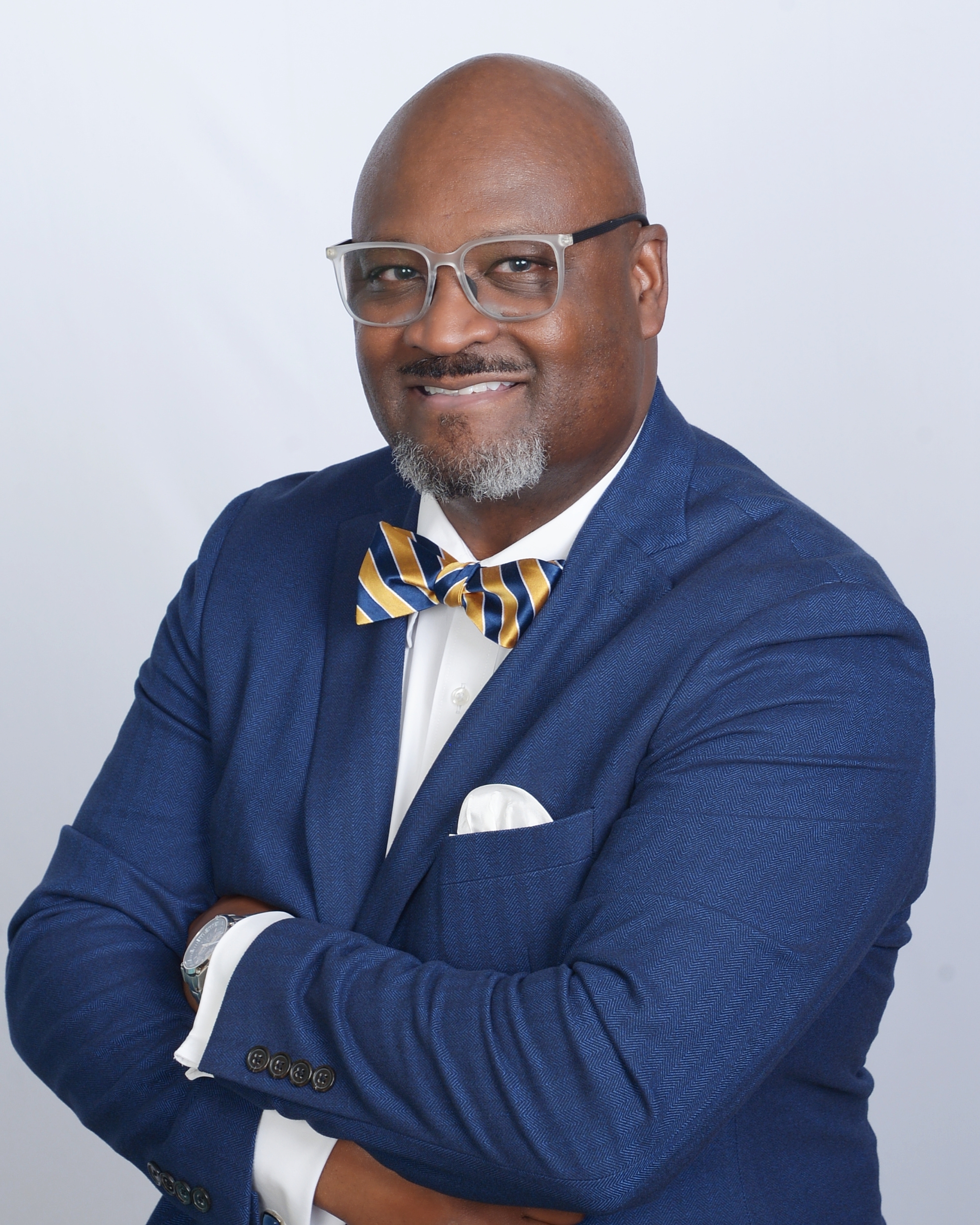
I am not a flag officer. I am a retired Chief Petty Officer who went from the Navy to running eight hospitals, including a $580 million VA Medical Center. But in my work as a military executive transition coach, I sit across from generals and admirals regularly. And what I hear from them, when they are honest, is always some version of the same thing: nobody told me it would feel like this.
This article is what I tell them before they get there.
Your Network Is Not What You Think It Is
Every flag officer I have ever worked with believes they have a strong network. And in uniform, they do. But that network is largely institutional, built on shared mission, shared rank, and the infrastructure of a uniformed service that connects people across commands and combatant commands.
The morning you retire, that infrastructure disappears. The calls still come in for a while. But over time, faster than you expect, the calls thin out. Not because people do not respect you. Because everyone in uniform is busy executing the mission, and you are no longer part of it.
What you need is a civilian network, and it takes years to build one that actually functions. That means LinkedIn. That means board relationships. That means speaking engagements, published writing, and sustained visibility in the civilian leadership space. You cannot build this network after you retire. You have to build it while you are still in uniform and leverage the institutional credibility you have right now.
- Build and optimize a LinkedIn profile that reads like a civilian executive, not a military biography
- Identify 3–5 target industries and begin networking inside them, before you need anything from them
- Commission a civilian executive biography from a professional writer
- Identify board opportunities and begin the relationship-building process, board appointments take 18–24 months of lead time
- Find a transition coach who has made this crossing themselves, not just coached it
Your Title Is Gone. Your Character Is Not.
This is the one nobody talks about openly, and it is the one that does the most damage if you are not prepared for it.
For thirty years, your identity has been inseparable from your title. General. Admiral. Commander. Colonel. The rank preceded you into every room. It opened doors. It commanded deference. It carried the full institutional weight of one of the most respected organizations in the world.
In corporate America, you are starting over. You will sit in meetings where a 34-year-old VP will challenge your recommendation without blinking. You will send emails that do not get returned for three days. You will be introduced as "our new VP of Operations", without a single word about where you have been.
The officers who navigate this well are the ones who made a quiet internal decision before they ever walked off the stage: I am not my rank. I am my character. And my character goes with me.
The discipline. The mission focus. The ability to function under pressure. The willingness to make hard decisions without perfect information. The instinct to put the mission above personal comfort. None of that goes away when the stars come off. That is the real equity you are carrying into the next chapter, and it is worth more than any title you have ever held.
The Civilian C-Suite Is Not a Theater of Operations. It Is a Theater.
In the military, when the commanding general walks in, the room comes to attention. In corporate America, when the CEO walks in, the room keeps talking, and then slowly adjusts. The power dynamics are real, but they are subtle, contextual, and constantly shifting based on relationship capital rather than positional authority.
Flag officers who come in expecting the room to respond the way it did in uniform are going to have a rough first year. The boardroom does not snap to attention. The senior staff does not brief you with the same structure and deference you received from your J-staff. And the CEO does not have the same formal authority over the board that a CINC has over a combatant command.
You have to learn the new theater. That means watching before acting. It means asking questions that feel beneath your experience level. It means temporarily setting aside the confidence that comes with three decades of command, not permanently, but long enough to understand the new operating environment before you try to lead in it.
"The most dangerous assumption a flag officer can make is that civilian leadership is easier than military leadership. It is not easier. It is different. And different, if you are unprepared, is harder."
, Kelvin L. Parks, Transitioning TowersYour First Role Is Not Your Last Role
Most flag officers take their first civilian position based on the offer in front of them rather than a deliberate strategy. A defense contractor reaches out. A hospital system needs a COO. A consulting firm wants your network. You say yes because the offer is good and the alternative, taking time to figure out what you actually want, feels foreign to someone who has been mission-driven for thirty years.
The first role is often a learning environment. That is not a failure. It is the cost of the transition. But the officers who build genuinely significant second careers are the ones who treat the first role as a scouting tour, learning the civilian operating environment, building the civilian network, and positioning themselves for the role they actually want three to five years out.
Think in terms of trajectory, not just title. The question is not "what can I get?" The question is "what am I building toward, and does this first role put me on that path?"
The Mission Does Not End. It Expands.
Every flag officer I have ever coached came into the service with a sense of calling. Not just a career choice, a calling. A belief that the work mattered. That the sacrifice was worth something beyond a paycheck and a pension.
That calling does not retire when you do. It expands. The platform gets different. The mission gets broader. You are no longer leading a command. You are leading by example in a civilian world that desperately needs the kind of character, discipline, and moral clarity that a lifetime of military service produces.
The organizations that need you most are not always the ones offering the most money. The communities that need your leadership are not always the ones that come with a corner office. And the impact you are capable of in the second half of your career, if you approach it with the same intentionality you brought to every command you ever held, is greater than anything you accomplished in uniform.
The uniform comes off. The mission does not.